


The 10 Most Terrifying Things About Door Lock Repair
페이지 정보

본문
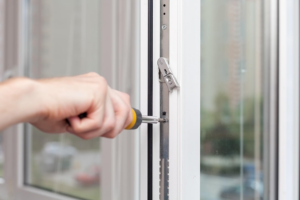
Door Lock Repair: A Comprehensive Guide
Door fixing window locks are important for the security of any home or service. When they malfunction, it not just jeopardizes safety however can also be incredibly discouraging. Understanding the different aspects of door lock repair can save time, money, and stress. This guide will look into common problems, repair methods, and a convenient FAQ section to guarantee you feel informed and empowered to tackle your door lock problems effectively.
Table of Contents
- Common Door Lock Issues
- Tools Required for Door Lock Repair
- Step-by-Step Guide to Repairing Door Locks
- When to Replace Your Door Lock
- FAQs
- Conclusion
1. Common Door Lock Issues
Before diving into repair work, it's vital to recognize common door lock concerns. Below is a table summarizing frequent door lock problems and their possible causes.
| Problem | Possible Causes |
|---|---|
| Key won't turn | Misaligned lock, unclean cylinder |
| Lock is jammed | Rust, debris, or damaged internal parts |
| Key is stuck | Used secret or damaged lock |
| Lock is loose | Loose screws or misaligned strike plate |
| Deadbolt will not engage | Defective system, misalignment |
| Lock cylinder turns without opening | Damaged lock, misalignment |
| Lock is hard to run | Absence of lubrication or wear and tear |
Recognizing these concerns can assist in formulating an effective repair technique.
2. Tools Required for Door Lock Repair
Having the right tools on hand is vital for any repair. Below is a list of tools frequently needed throughout door lock repair work.
| Tool | Purpose |
|---|---|
| Screwdriver | To eliminate screws from lock systems |
| Pliers | To grip or eliminate elements |
| Lube | To ensure smooth operation of the lock |
| Replacement parts | Such as springs, pins, or entire lock assemblies |
| Cleaning up materials | To clean debris and rust from the lock cylinder |
| Allen wrenches | For specific types of locks that need hex screws |
| Flashlight | To light up locations when working in low light conditions |
Equipping yourself with these tools will improve the repair process.
3. Step-by-Step Guide to Repairing Door Locks
A. Key Won't Turn
- Check the Key: Check for wear and tear. Try utilizing an extra secret.
- Clean the Cylinder: Use a cleaning spray to remove dust and debris from the lock cylinder.
- Lubricate: Apply graphite lubricant to help the essential turn more efficiently.
- Inspect Alignment: Ensure that the lock is aligned with the strike plate.
B. Jammed Lock
- Take apart the Lock: Remove the lock from the door for examination.
- Check Internal Parts: Look for rust or particles. Tidy or replace parts as needed.
- Oil: After cleaning, apply lubricant to all moving parts.
- Reassemble and Test: Put the lock back together and evaluate its operation.
C. Loose Lock
- Tighten up Screws: Use a screwdriver to tighten all screws on the lock system.
- Change the Strike Plate: Ensure the strike plate is effectively lined up with the lock.
- Test the Lock: Open and close the door to validate the functionality of the lock.
D. Broken Deadbolt
- Eliminate the Deadbolt: Unscrew the deadbolt from the door.
- Check for Damage: Check for any broken parts that require replacement.
- Replace Internal Mechanisms: If springs or pins are damaged, change them.
- Reinstall the Deadbolt: Put the deadbolt back in location and test its function.
E. Key is Stuck
- Carefully Wiggle the Key: Try to free it without requiring it.
- Examine for Blockages: Check the lock for any obstructions.
- Lube: If the secret does not come out quickly, oil the cylinder.
4. When to Replace Your Door Lock
While many concerns can be fixed with repairs, some situations necessitate changing the whole lock. Here are indications that replacement may be required:
- Severe Damage: If the lock is split, bent, or reveals signs of extreme wear.
- Repeating Problems: If the lock often malfunctions regardless of repair work.
- Lost Keys: If secrets are lost and replacement is not feasible, a new lock may be required for security.
- Old Technology: Window Lock Parts Modern locks featured enhanced security features; replacing an old lock can boost safety.
5. FAQs
Q: How frequently should I oil my door lock?A: It's
advisable to oil door locks a minimum of when a year or whenever you observe problem in turning the key.
Q: Can I repair a door lock myself?A: Yes, lots of common issues can be fixed DIY, provided you have the right tools and follow the proper steps. Q: When ought to I call a professional locksmith?A: If the lock is badly harmed, or you are unable to fix the problem after numerous efforts, it's best to look for professional help. Q: What type of lube must I use?A: Avoid utilizing oil-based lubricants.Graphite powder is the best alternative for locks,
as it will not bring in dust and particles. Q: How can I prevent future lock upgrade problems?A: Regular upkeep, including cleansing and lubricating
, can considerably minimize the possibility of future
concerns. Door lock repair is an essential ability that can conserve property owners and companies time and cash.
By comprehending common problems, having the right tools, and knowing when to repair or change locks, people can ensure their homes remain protected. Remember, while DIY repair work can be effective, don't think twice to call an expert locksmith for assistance with
complex concerns. Your safety and security deserve it!
- 이전글What's The Current Job Market For Best Double Glazing Repairs Professionals Like? 26.04.21
- 다음글embroidered scrub jacket I might put on a black band T-shirt. You sometimes discover these in T-shirt outlets at the seaside and other vacationer points of interest. I find another person to dangle out with. In fact, a fad like that can always burn itself 26.04.21
댓글목록
등록된 댓글이 없습니다.